Yara Simmons · 13 November 2026
Examining volunteer-submitted acoustic recordings from fixed forest stations helps identify shifts in nocturnal animal activity patterns across protected zones
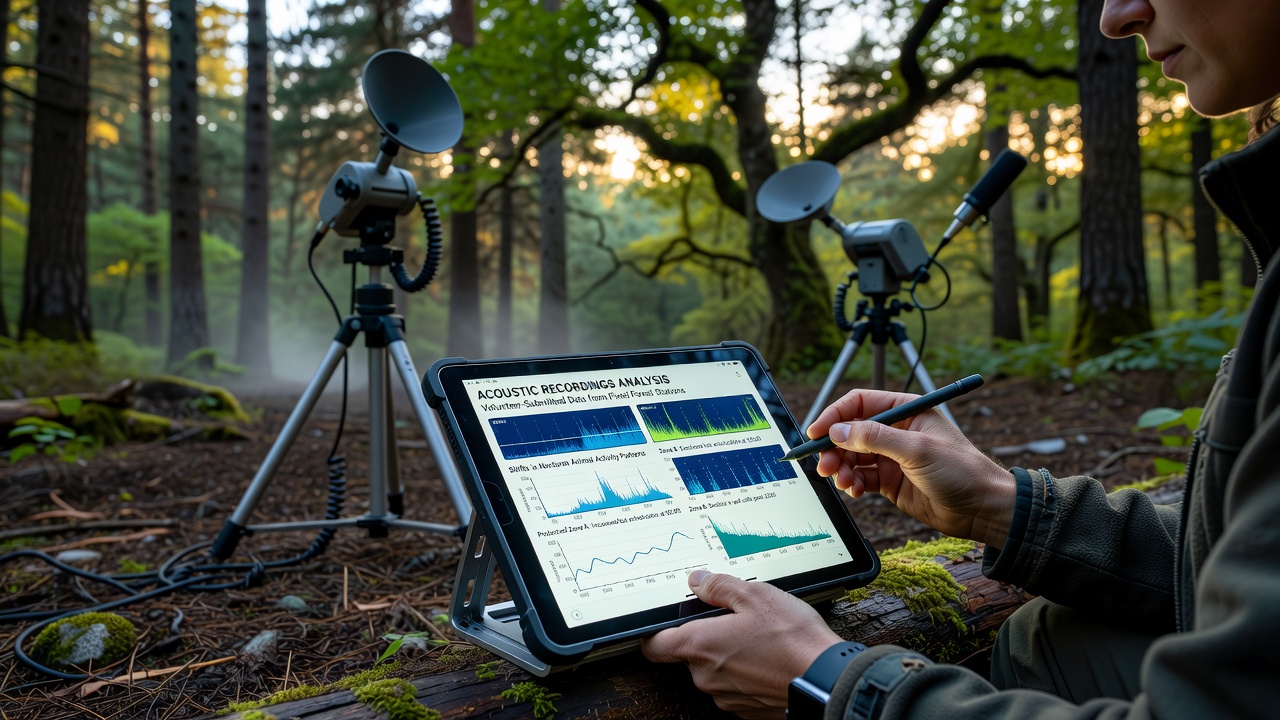
Volunteers collect acoustic recordings from fixed stations positioned throughout protected forest areas, and these submissions undergo systematic review that reveals changes in nocturnal animal activity across seasons and years. Stations equipped with microphones capture sounds from bats, owls, and other night-active species while researchers process the data to track timing, frequency, and species composition. Studies indicate that activity peaks for certain mammals have moved later into the night in some zones, whereas others show earlier onset tied to temperature variations documented in regional climate records.
Data compiled through November 2026 shows consistent patterns emerging from multiple sites in North American and European protected zones, with volunteer contributions expanding coverage beyond what professional teams alone could maintain. Fixed stations operate continuously, storing files that volunteers upload to centralized databases where algorithms and human analysts separate calls from background noise such as wind or insects. This approach allows direct comparison of activity levels before and after events like selective logging or trail expansions that occur near boundaries.
Data Collection and Processing Methods
Each station uses standardized microphones and weatherproof housings that volunteers service on scheduled rotations, ensuring recordings maintain consistent quality across different forest types. Once submitted, files pass through filters that isolate frequencies typical of target species, after which teams label segments for verification. Research from institutions in Canada and Australia demonstrates that combining volunteer-reviewed labels with automated detection improves accuracy when identifying shifts in species presence over multi-year periods.
Protected zones in temperate regions have supplied the bulk of available recordings, yet efforts now extend into subtropical and boreal forests where similar station networks are under development. Observers note that nocturnal activity often correlates with moon phase and rainfall amounts, factors that volunteers record alongside audio files to support later analysis. These combined datasets allow researchers to isolate human-related influences from natural cycles when examining changes in calling rates or movement timing.
Observed Shifts in Activity Patterns
Analysis of recordings from stations in the Pacific Northwest and parts of Scandinavia indicates that several bat species now forage for shorter durations during peak summer months compared with earlier baseline years. Meanwhile, certain owl species maintain stable activity windows, though their prey detection calls appear more frequent in areas where understory vegetation has thinned. Figures released by the European Environment Agency show measurable increases in nocturnal insect activity that coincide with delayed bird foraging in selected reserves.
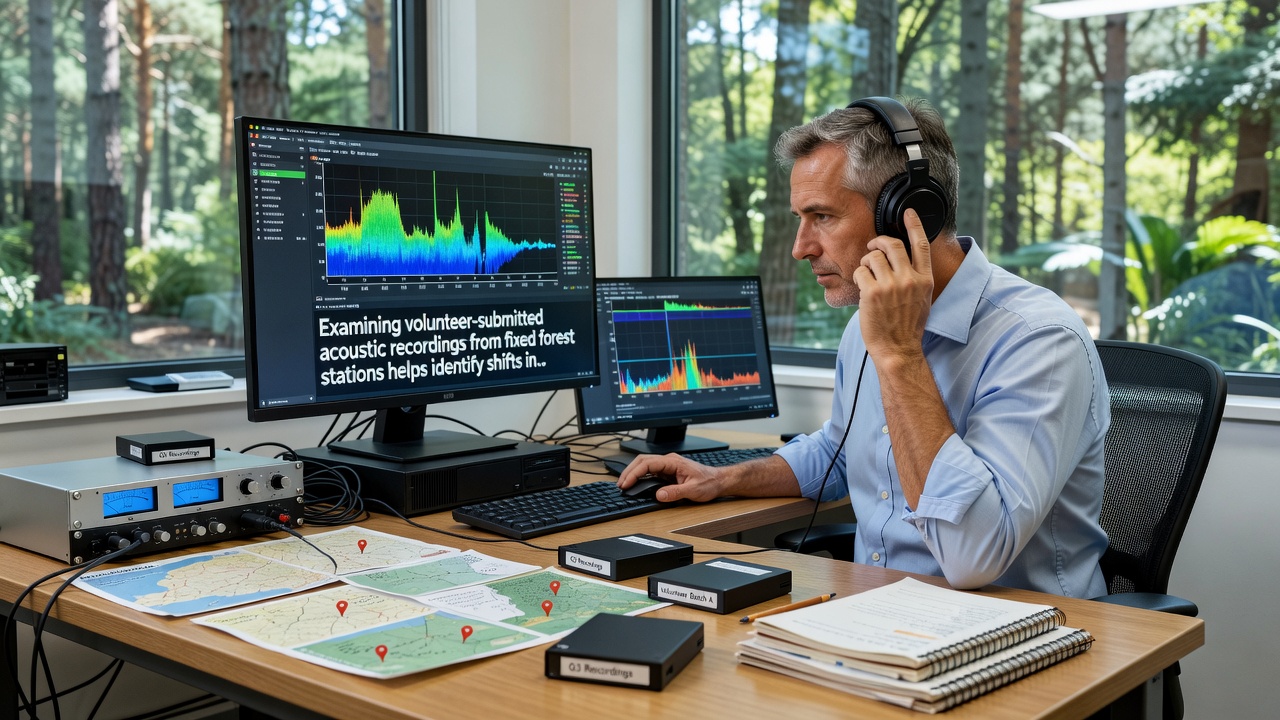
Shifts appear more pronounced near zone edges where light pollution from adjacent roads reaches into the canopy, altering the timing of calls for light-sensitive species. Volunteers in these locations have submitted recordings that capture both the usual night chorus and the reduced vocalizations that follow artificial illumination events. Cross-referencing these audio patterns with satellite imagery helps confirm spatial relationships between disturbance sources and behavioral changes.
Regional Comparisons and Broader Applications
Networks in Australia report similar findings for nocturnal marsupials whose activity windows have narrowed during prolonged dry periods, data that aligns with temperature and humidity readings collected at the same stations. In contrast, stations in Canadian boreal forests show extended activity periods for some rodent species during milder winters, patterns that only become visible once multiple years of volunteer-submitted files are aggregated. These regional differences highlight how local conditions interact with broader climate trends to shape nocturnal behavior.
Protected area managers use the resulting maps of activity change to adjust patrol schedules and restoration priorities, because acoustic evidence provides continuous coverage that visual surveys cannot match. One study from New Zealand's Department of Conservation integrated station recordings with ground-truthing visits, confirming that shifts detected acoustically corresponded to actual changes in animal movement corridors. Such integration supports evidence-based decisions without requiring constant on-site presence by staff.
Conclusion
Volunteer-submitted acoustic recordings from fixed forest stations continue to supply detailed records of nocturnal activity shifts across protected zones, and ongoing analysis through November 2026 and beyond will refine understanding of how these patterns respond to environmental pressures. The method combines accessible technology with distributed human effort to generate datasets that span large areas and long timeframes. As more stations come online and processing tools improve, the approach offers a scalable way to monitor biodiversity responses in real time while maintaining focus on factual patterns derived directly from the collected audio.