Yara Simmons · 18 September 2026
Citizen Observations Driving Policy Changes in Forest Conservation Efforts
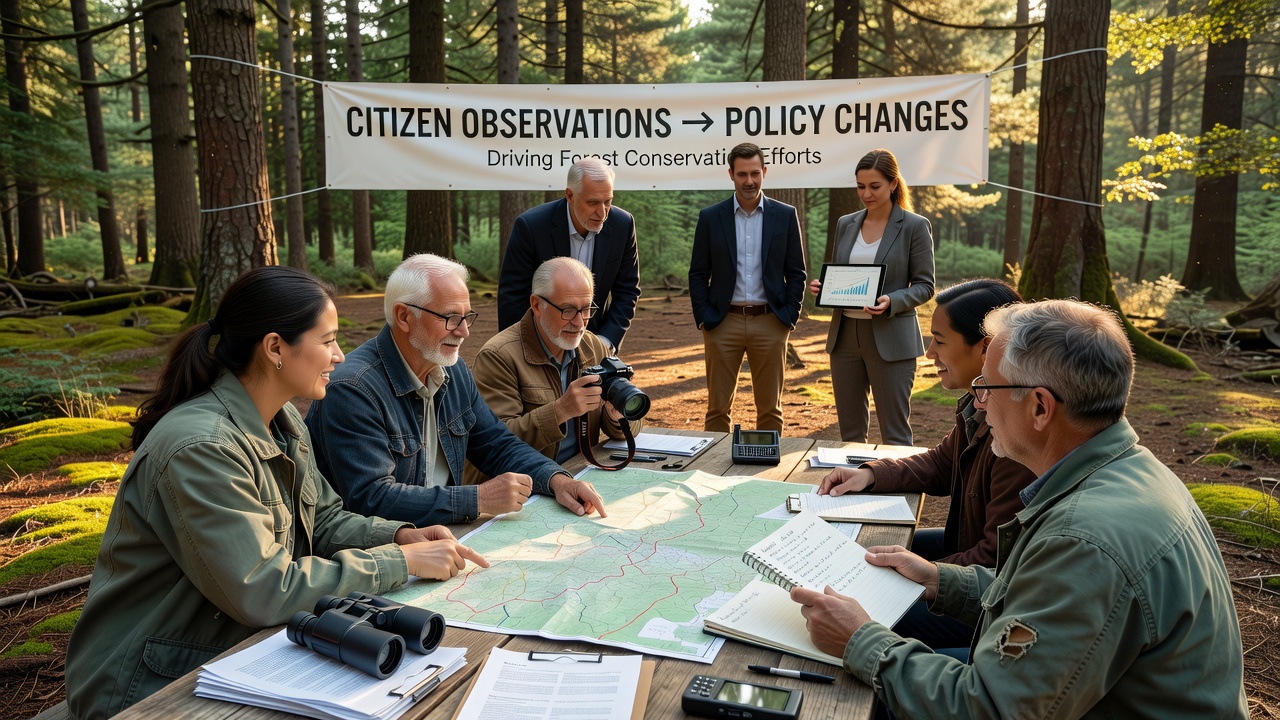
Communities around the world have contributed observations that shape forest conservation policies through systematic data collection and reporting. Researchers track species sightings, canopy changes, and disturbance events using standardized protocols that feed into national and international databases. These records accumulate over seasons and years to reveal patterns that influence regulatory decisions on logging limits, protected area expansions, and restoration funding allocations.
Mechanisms of Data Integration
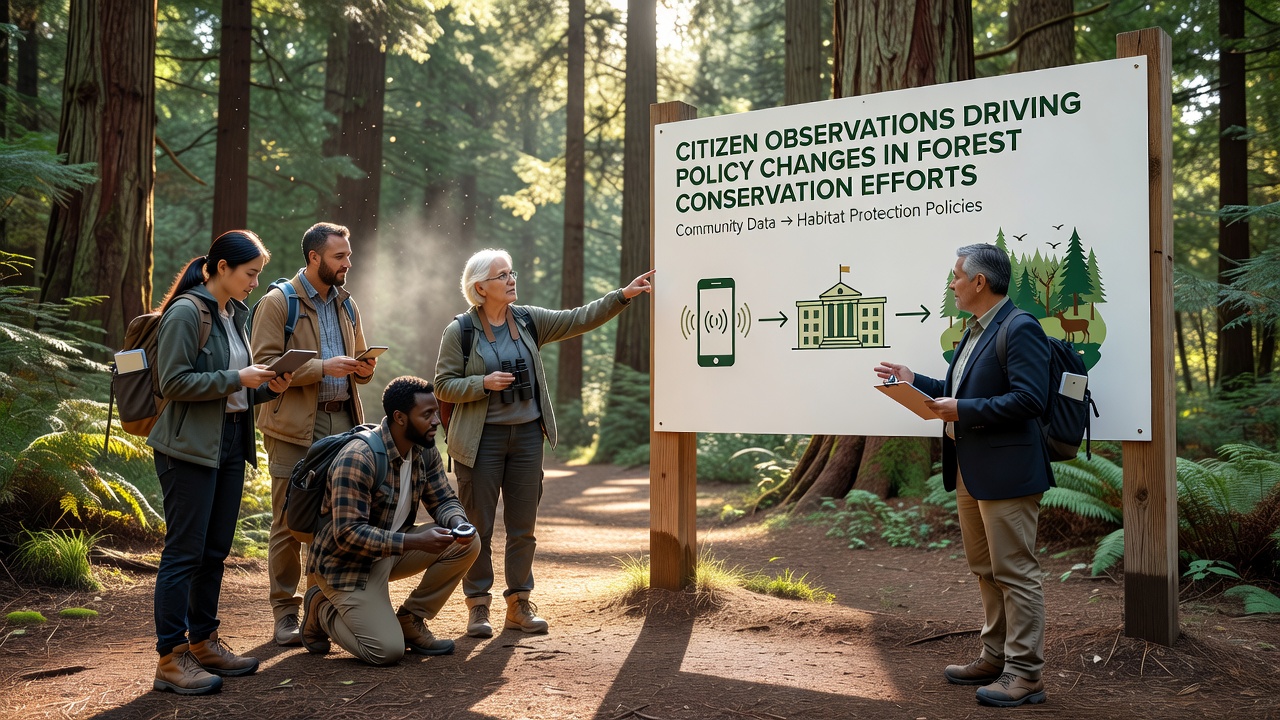
Observers document conditions through apps and field forms that capture coordinates, timestamps, and environmental variables while government agencies and research institutions verify submissions before incorporating them into policy models. Studies show that volunteer networks in temperate regions have supplied thousands of records annually on invasive species spread, which prompted adjustments to quarantine regulations in multiple jurisdictions. Data from these efforts reach decision makers through annual reports and open portals where analysts correlate citizen inputs with satellite imagery and ground surveys.
Regional Examples and Policy Outcomes
In North America, volunteer monitoring programs in the Pacific Northwest documented declines in old-growth associated bird populations over a decade, leading forestry agencies to revise harvest guidelines in 2023. European networks focused on bark beetle outbreaks supplied early detection data that supported the European Environment Agency's updates to cross-border management strategies. Australian citizen projects in eucalyptus forests recorded fire recovery trajectories after major events, contributing evidence that informed state-level prescribed burning policies. These cases illustrate how localized observations scale to affect broader regulatory frameworks when aggregated and reviewed by experts.
Additional programs in Southeast Asia have tracked orangutan habitat fragmentation through community patrols, resulting in expanded buffer zones around national parks following submissions to regional biodiversity assessments. Canadian initiatives in boreal forests recorded caribou migration shifts that aligned with revisions to timber licensing conditions in several provinces. Each instance demonstrates the pathway from field notes to administrative action without requiring institutional resources for every data point.
September 2026 Developments
September 2026 brings the scheduled convening of the Global Forest Observation Summit where representatives plan to review aggregated citizen datasets alongside official inventories. Organizers expect presentations on standardized reporting formats that emerged from pilot projects in multiple continents, with discussions centered on integrating these streams into future treaty compliance mechanisms. Preliminary agendas indicate sessions on verification protocols and data sharing agreements that build directly on existing volunteer contributions.
Challenges in Scaling Contributions
Accuracy varies across submissions because training levels differ and observers encounter inconsistent access to remote sites, yet statistical methods applied by analysts filter noise and identify reliable trends. Funding for platform maintenance and participant coordination remains uneven across regions, which limits continuity in some areas while sustained networks in others continue to supply long-term series. Legal frameworks governing data ownership and public access also shape how readily agencies adopt external inputs, with some jurisdictions establishing clear pathways and others maintaining stricter internal review processes.
Research indicates that training workshops increase data quality metrics by measurable percentages, and collaborative platforms between volunteers and professionals have produced joint publications that feed directly into policy briefs. Those who coordinate these efforts report that sustained engagement depends on feedback loops where contributors see their records referenced in official documents.
Quantitative Trends and Evidence Base
Figures from international compilations reveal that citizen-derived records now constitute a growing share of inputs to global forest assessments coordinated by organizations such as the Food and Agriculture Organization. One study revealed correlations between volunteer-reported canopy loss events and subsequent adjustments in protected area boundaries across several countries. Observers note that the volume of usable submissions has risen steadily as mobile technology penetration increases in rural zones, although gaps persist in under-monitored tropical zones where infrastructure limits participation.
Policy documents increasingly cite these datasets when justifying funding reallocations or enforcement priorities, demonstrating the transition from supplementary information to core evidence streams. Analysts continue to refine protocols for bias correction and spatial coverage to strengthen the defensibility of conclusions drawn from mixed-source inputs.
Conclusion
Citizen observations supply granular, temporally dense information that complements institutional monitoring programs and supports evidence-based adjustments to forest conservation policies. Continued expansion of verified networks and improved integration pathways position these contributions to influence decisions at local through international scales. The September 2026 summit represents one milestone in formalizing these connections across regions and data systems.